
How ALIS reads blood flow with laser speckle
ALIS® (Absorption & Laser Interference Sensor) is Praxa Sense’s patented speckle plethysmography sensor. It adds a Blood Flow index to the blood volume signal every wearable already measures.
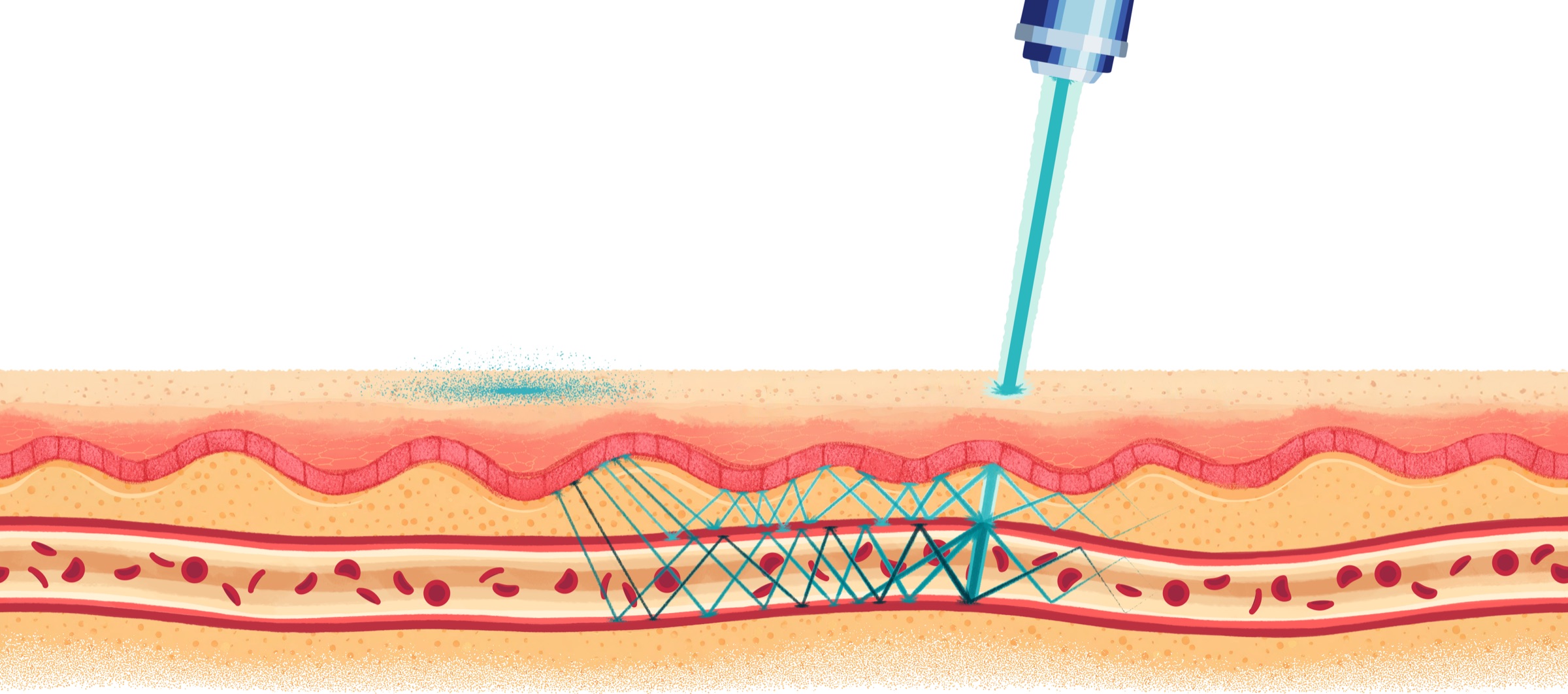
Coherent light enters the skin
A laser at 660 nm and an infrared source at 940 nm shine into the tissue from a sensor the size of a PPG module.
Moving blood changes the speckle
Light scattered by tissue interferes into a grainy speckle pattern. Red blood cells in motion make that pattern flicker; faster flow, faster flicker.
Two signals come out
The detector turns the speckle dynamics into a Blood Flow index (BFi) and the absorbed light into blood volume (sPPG), from the same spot.
A new data layer for existing biomarkers
BFi improves the measurements wearables already make and opens biomarkers that blood volume alone cannot reach, particularly around cardiac health.
Areas Praxa Sense is exploring with partners: cuffless blood pressure, vascular health metrics and cardiovascular risk.
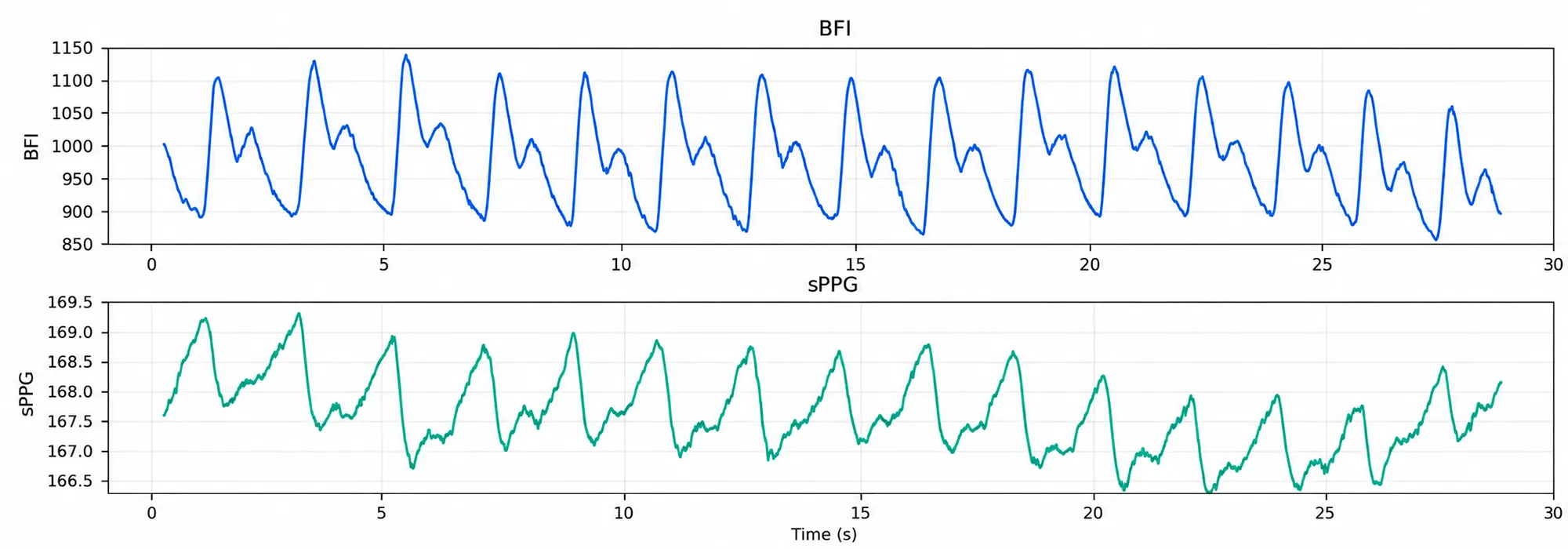
Live data viewer, BFi (top) and sPPG (bottom).
Advantages under evaluation
Each to be confirmed in clinical trials, planned end 2026 / beginning 2027.
Clearer signal
Higher signal to noise, more robust in challenging conditions, a cleaner pulse and a quicker response to physiological change.
Three times the data
Blood volume changes combined with the Blood Flow index for new and improved health insights.
Familiar form factor
Integration into existing PPG device designs is kept simple for OEMs.
Ongoing validation focuses on performance across skin tones, low-perfusion conditions and continuous blood pressure monitoring.
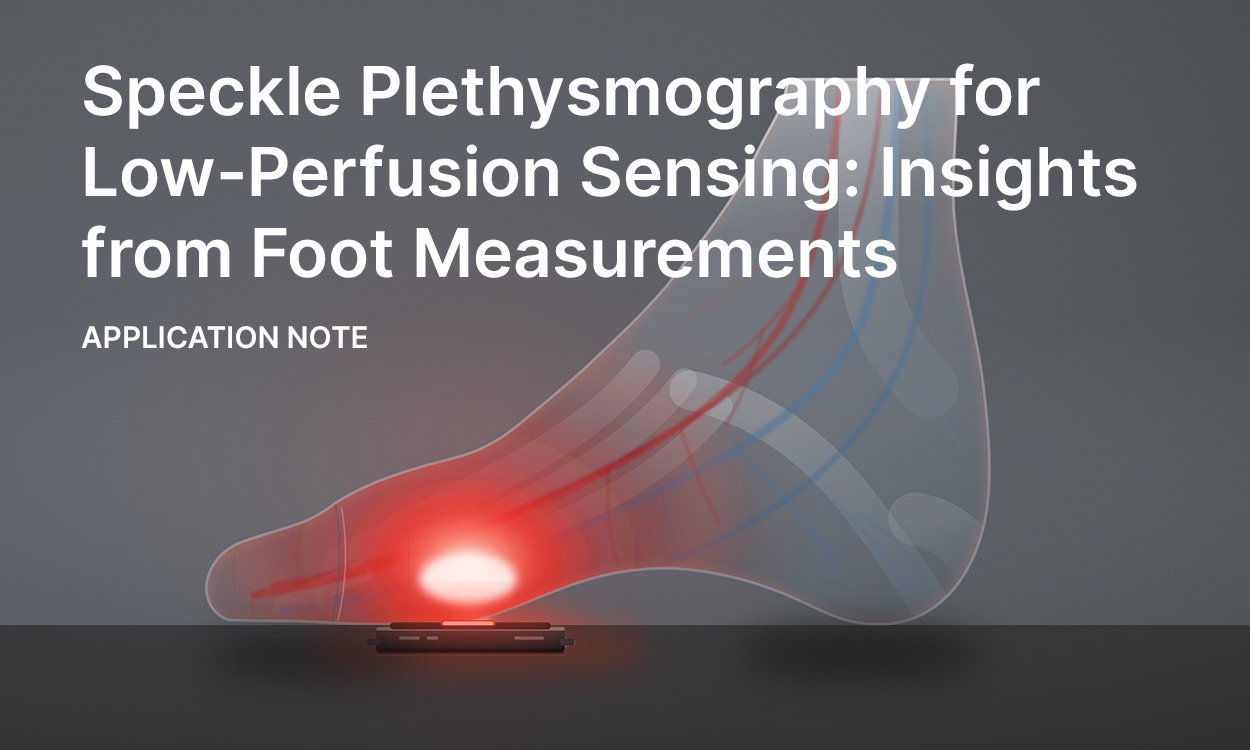
Low-perfusion sensing under the foot
Application note, 4 August 2026. PPG depends on light absorption, which weakens where blood volume pulsation is small. Initial measurements suggest speckle plethysmography stays more reliable in such areas, for example under the foot.
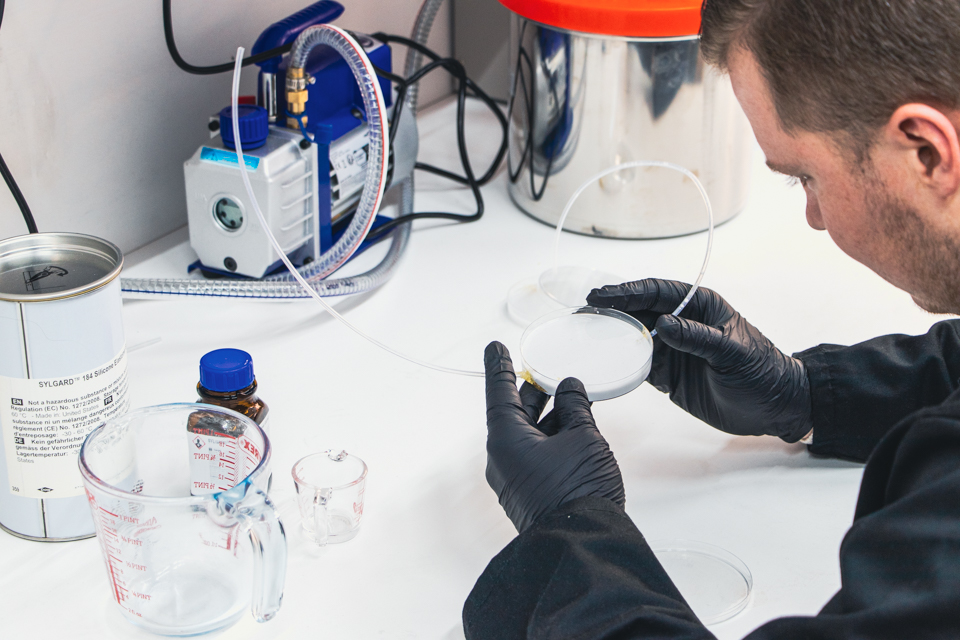
Built and tested in our own labs
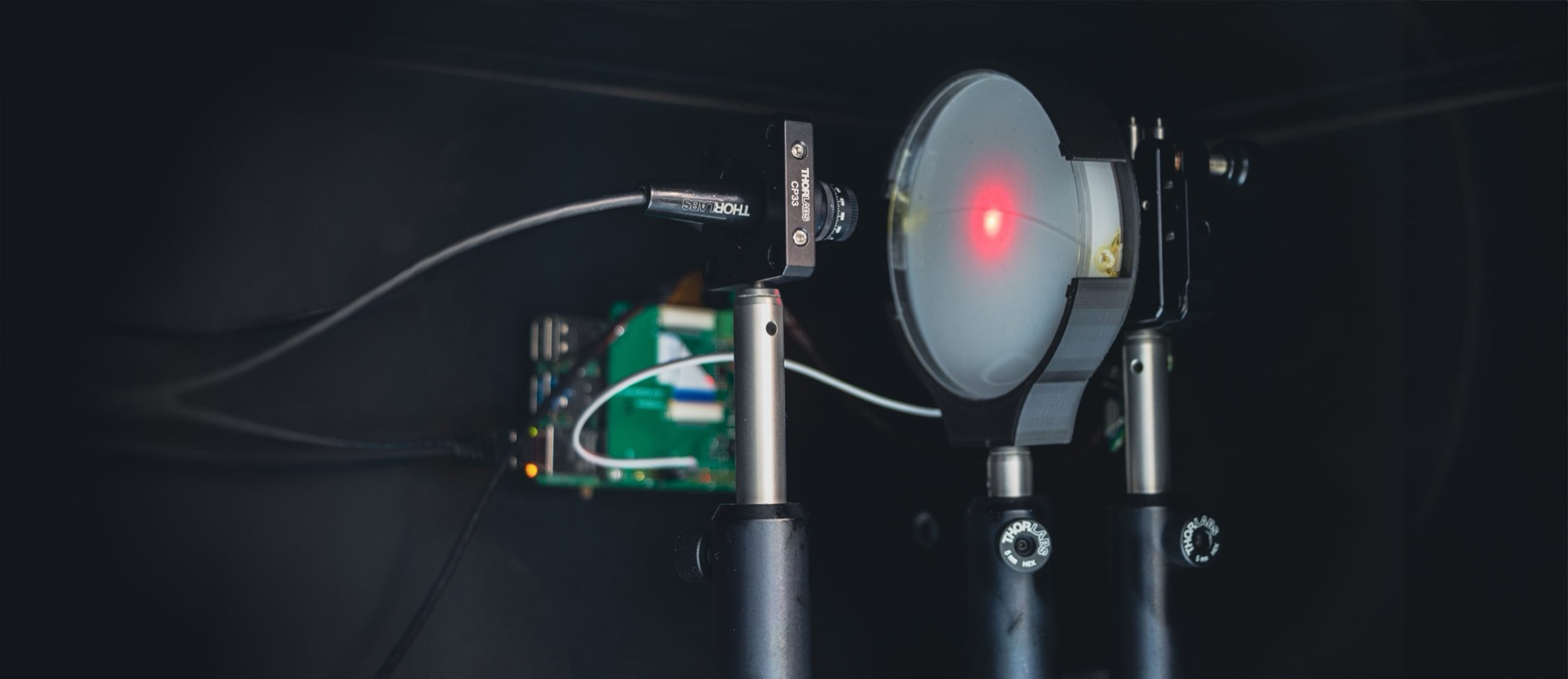

See ALIS signals from your body location
The EV Kit gives your team first access to BFi and sPPG, side by side with PPG.
Explore the EV Kit